


Fertility medicine is rapidly evolving, from the research and technology to the conversations happening in exam rooms. This Women’s History Month, we’re honoring the women at Extend driving that work forward.
Our providers, scientists, and operations leaders have spent their careers making sure everyone who walks through our doors leaves better informed and more in control of their reproductive care. They’ve created an environment where anyone can ask questions (even the embarrassing ones), and they’ve shown up for patients during their most vulnerable moments.
These are a few of the women you might meet in our clinic. We asked them to share their unique perspectives on fertility medicine and the roles they play in your care.
Nataki Douglas, MD, PhD
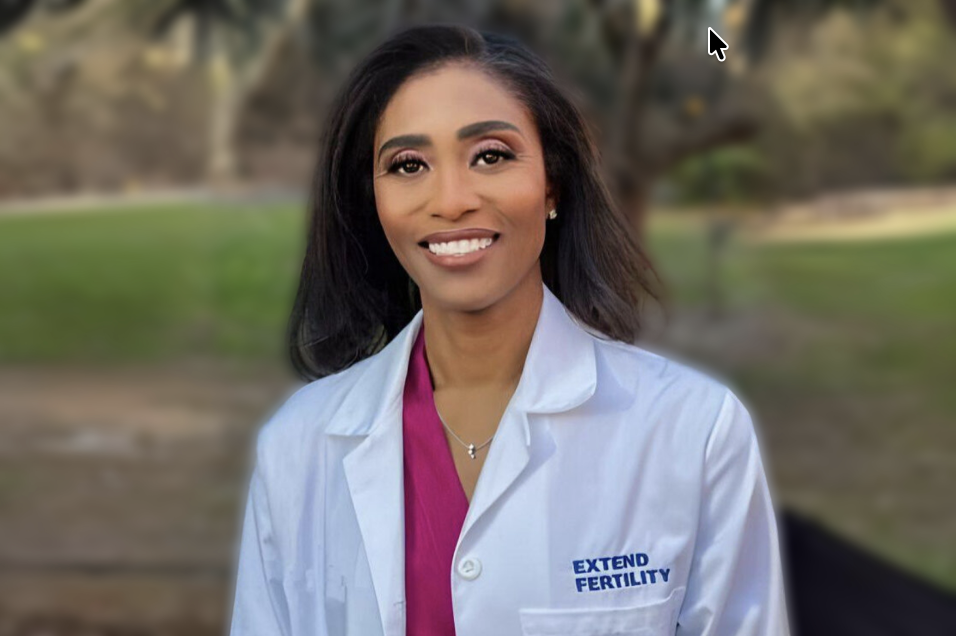
Reproductive Endocrinologist and Chief Scientific Officer
Education: MD and PhD from Yale University School of Medicine; Residency and Fellowship at Columbia University Medical Center
Previous Experience:
- 8 years at Columbia’s Center for Women’s Reproductive Care
- Associate Professor and Director of Translational Research at Rutgers-New Jersey Medical School
- Published research in Human Reproduction, Fertility and Sterility, and Obstetrics and Gynecology
- Joined Extend in 2017
Q: What’s the diagnostic tool you wish existed, and what would it mean for patients if it did?
A: My dream would be to have an endometrium or a uterine factor test, similar to our ovarian reserve test, where we could identify red flags. Just to be able to say this is far from where I expect you to be in terms of the ‘norm,’ and we could prevent some of these implantation failures or early pregnancy losses. But we’re not there yet.
Dayna Hennessy, MBA, MSN, NP-C
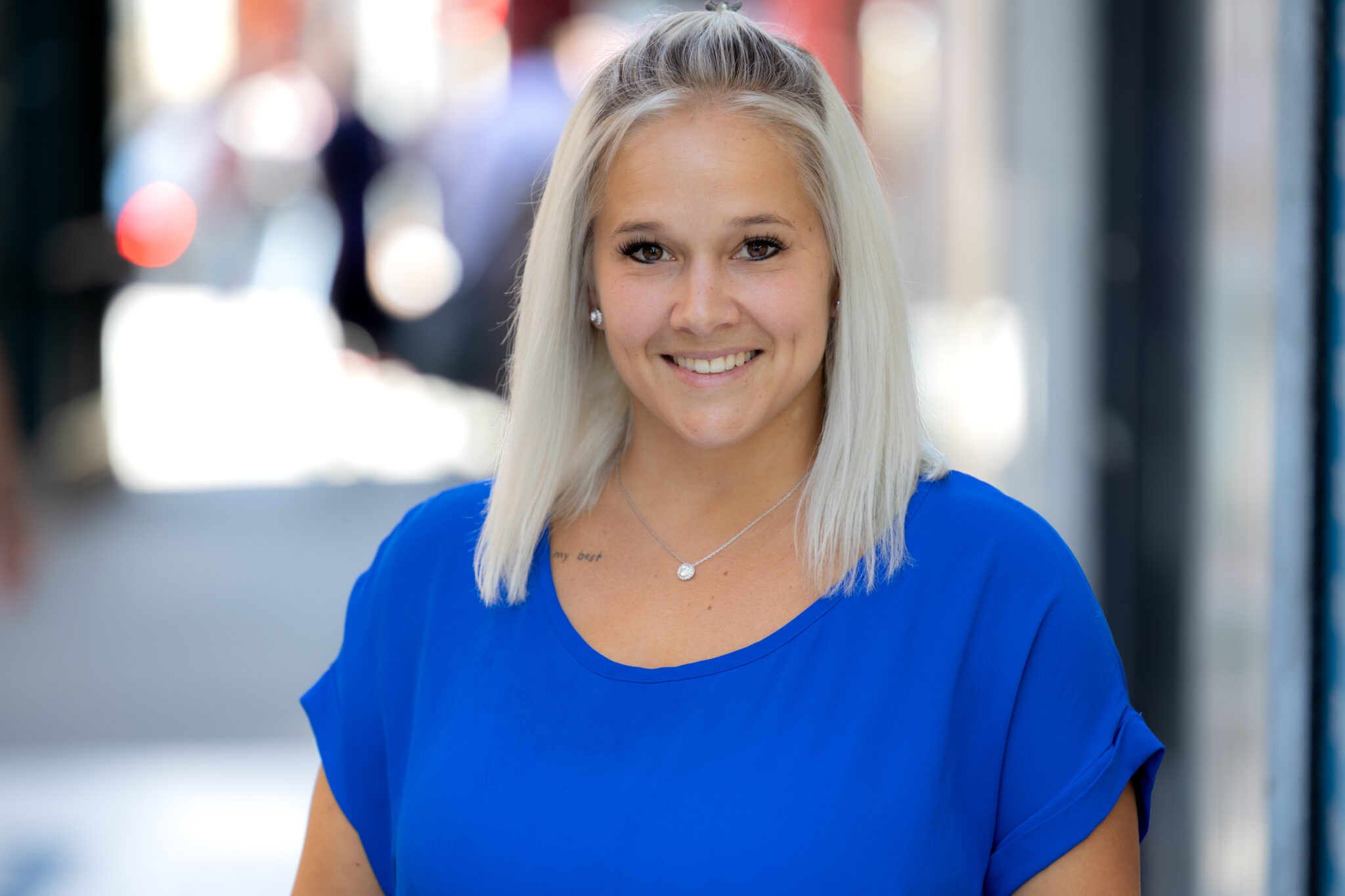
Chief Operations Officer
Education: BSN, Florida Atlantic University; MSN, Nova Southeastern University; MBA, University of Florida; Board-Certified Nurse Practitioner in Family Health; Member, ASRM
Previous Experience:
- Emergency Department and Operating Room Nurse
- Fertility Nurse at RMA of New York
- Joined Extend in 2016
Q: You’ve been in fertility medicine since 2012. What’s changed most about how patients approach egg freezing in that time?
A: When I first started in fertility medicine, egg freezing was still considered experimental—and even after that label was removed, it just wasn’t something people talked about openly. Most women weren’t hearing about it proactively from their OBGYNs.
Fast forward to today, and it’s a completely different conversation. Back then, the average age of patients freezing their eggs was around 37. Now, the average age is around 34 or 35, which really says a lot. Women aren’t just reacting anymore; they’re planning ahead, and that’s been an amazing shift to be a part of.
Miriam Kupferstein, MSN, RN, FNP-C
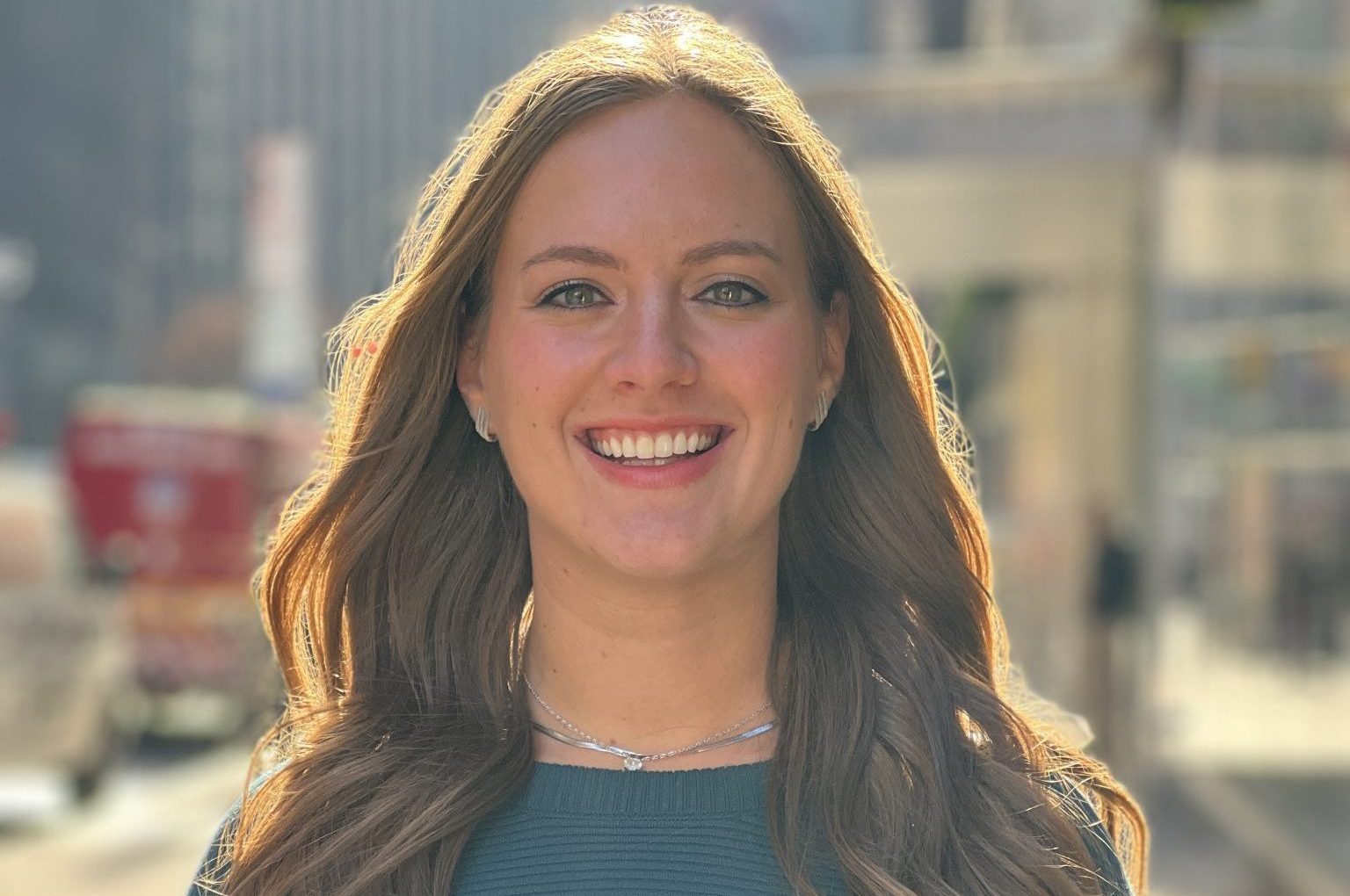
Nurse Practitioner
Education: BSN, Georgian Court University; MSN, Chamberlain University; Board-Certified Family Nurse Practitioner
Previous Experience:
- Labor and Delivery and Cardiac Hospital Nursing
- Joined Extend’s New Jersey practice in 2026
Q: Your background spans two very different areas of care. How does that variety of experience inform the way you show up for fertility patients?
A: I have cared for patients in their happiest, saddest, most vulnerable, and most special moments. While these backgrounds of experience sound so different, working across different areas of healthcare has shown me that at the core, it’s never just about treating a patient; it’s about caring for a whole person.
Every individual who walks through the door is someone’s friend, sibling, parent, or child, and that perspective shapes how I approach every area of care. I try not to focus only on why someone is here, or the treatment plan we are forming, but on who they are as an individual and how to best support them.
We are all living such different lives, but in reality, the way we experience life is mostly the same. This is how I strive to show up for my ‘fertility baddies’ each day.
Demet Yilmaz
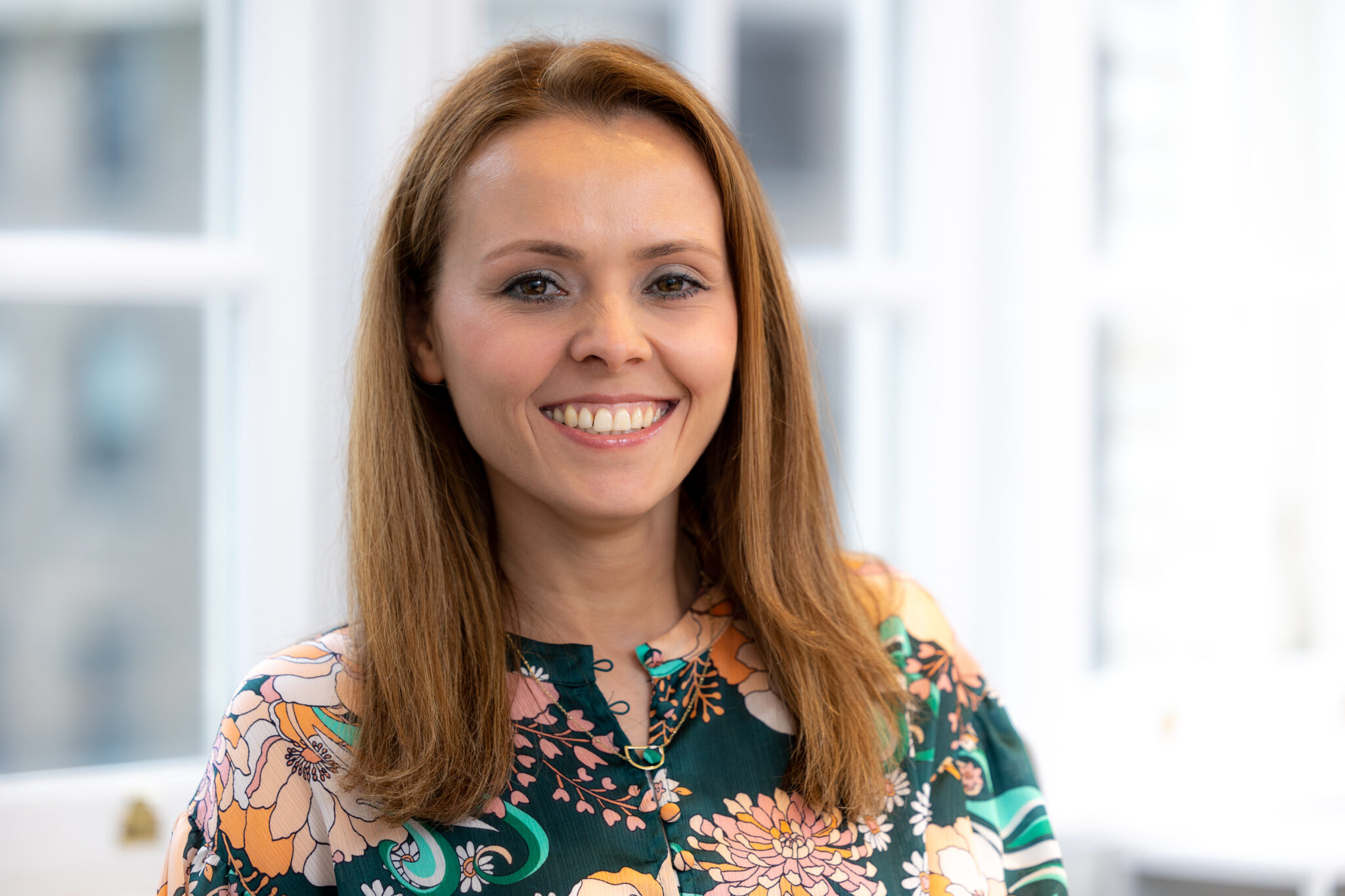
Clinical Operations Manager
Education:
- Berkeley College
Previous Experience:
- Operating Room Technician
- Joined Extend in 2016
Q: How do you think about communication between clinical and operational teams, and why does it matter for patients?
A: Clinical environments are fast-paced and constantly changing. It’s the combination of coordination, attention to detail, and the ability to respond proactively that really drives successful clinical operations.
Caley Serin, MSN, FNP-C
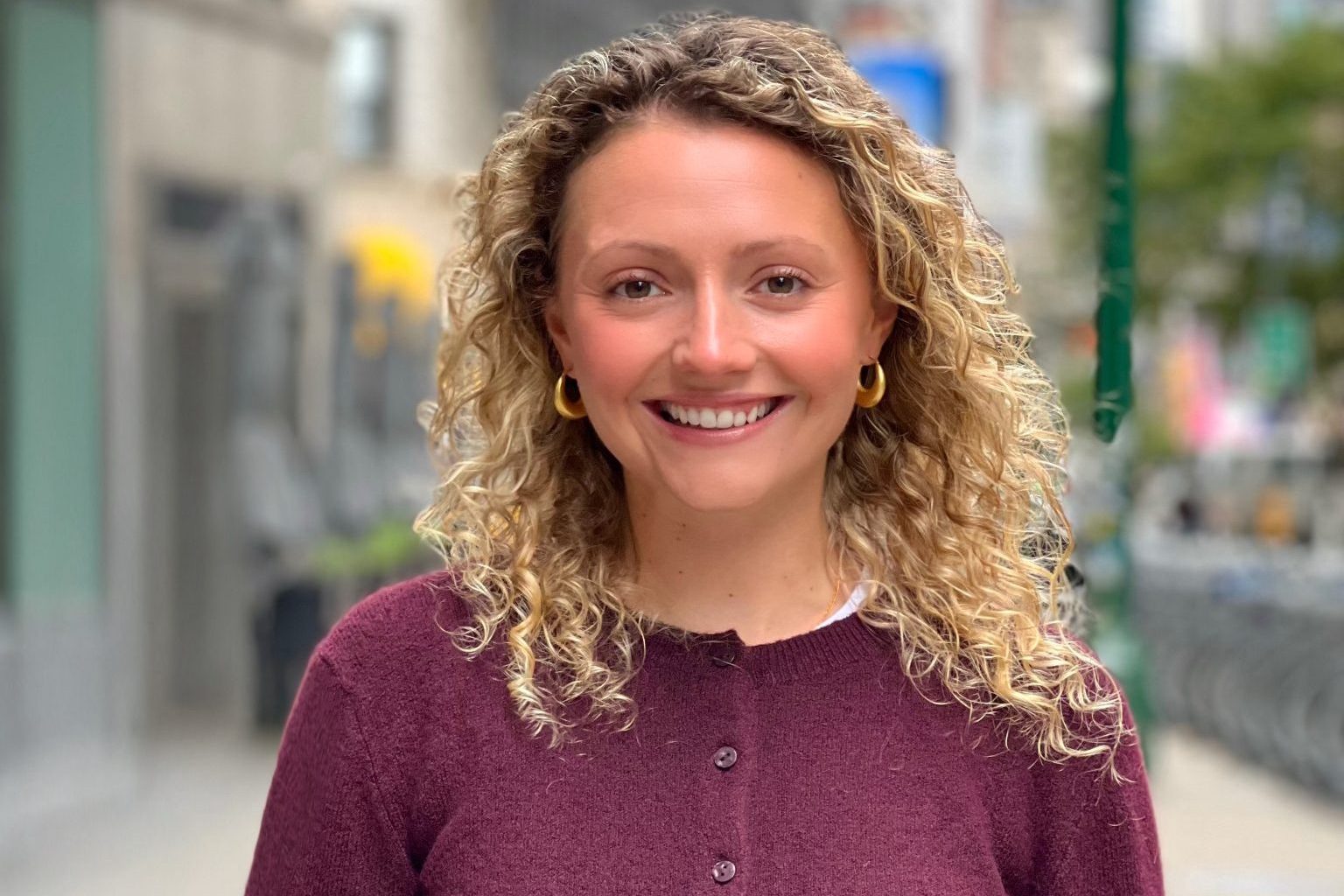
Nurse Practitioner
Education: BSN, Adelphi University; MSN, Pace University; Board-Certified Family Nurse Practitioner
Previous Experience:
- 6.5 years in pediatric oncology
- Joined Extend in 2025
Q: How did caring for children through serious illness prepare you—or change you—as a fertility provider?
A: Working in pediatric oncology taught me the importance of building meaningful and trusting relationships with patients and their families. Both oncology treatment and fertility treatment can be very isolating. I always strive to make sure patients feel as if they’re not going through this alone and are supported through each step.
Even when decisions and conversations are challenging, my patients can trust that their care is always guided by their best interests. I am dedicated to ensuring that women feel informed, supported, and empowered in their bodies and in every aspect of their reproductive healthcare.
Lia Schiller, MSN, AGNP-BC
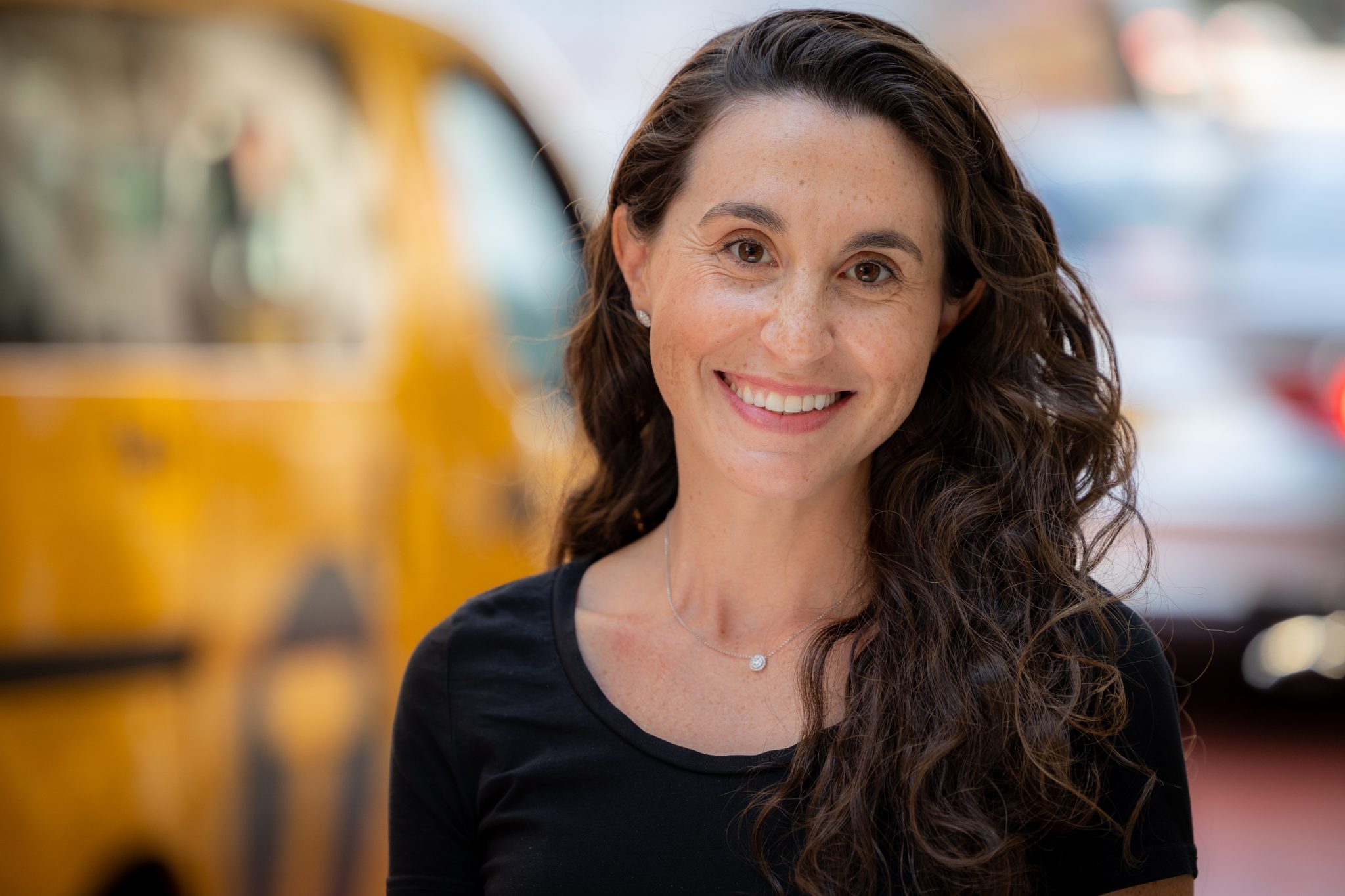
Nurse Practitioner
Education: BS, Queens College; BS in Nursing and MSN, Hunter College; Board-Certified Nurse Practitioner
Previous Experience:
- Inpatient Women’s Oncology Unit, Memorial Sloan Kettering Cancer Center
- Joined Extend in 2022
Q: How did your experience caring for women facing cancer shape the way you approach reproductive health conversations today?
A: In oncology, I saw firsthand how quickly life circumstances can change, and how important it is to have honest, timely, and compassionate discussions about fertility, family planning, and future goals. It made me especially mindful of the weight these conversations can carry.
Many of the women I care for in oncology were facing difficult decisions, and I saw how meaningful it was when they felt informed and supported. Today, I carry that forward by ensuring my patients understand their options and feel confident in making choices that align with their values and goals.
Lindsey Herlihy, BSN, RN
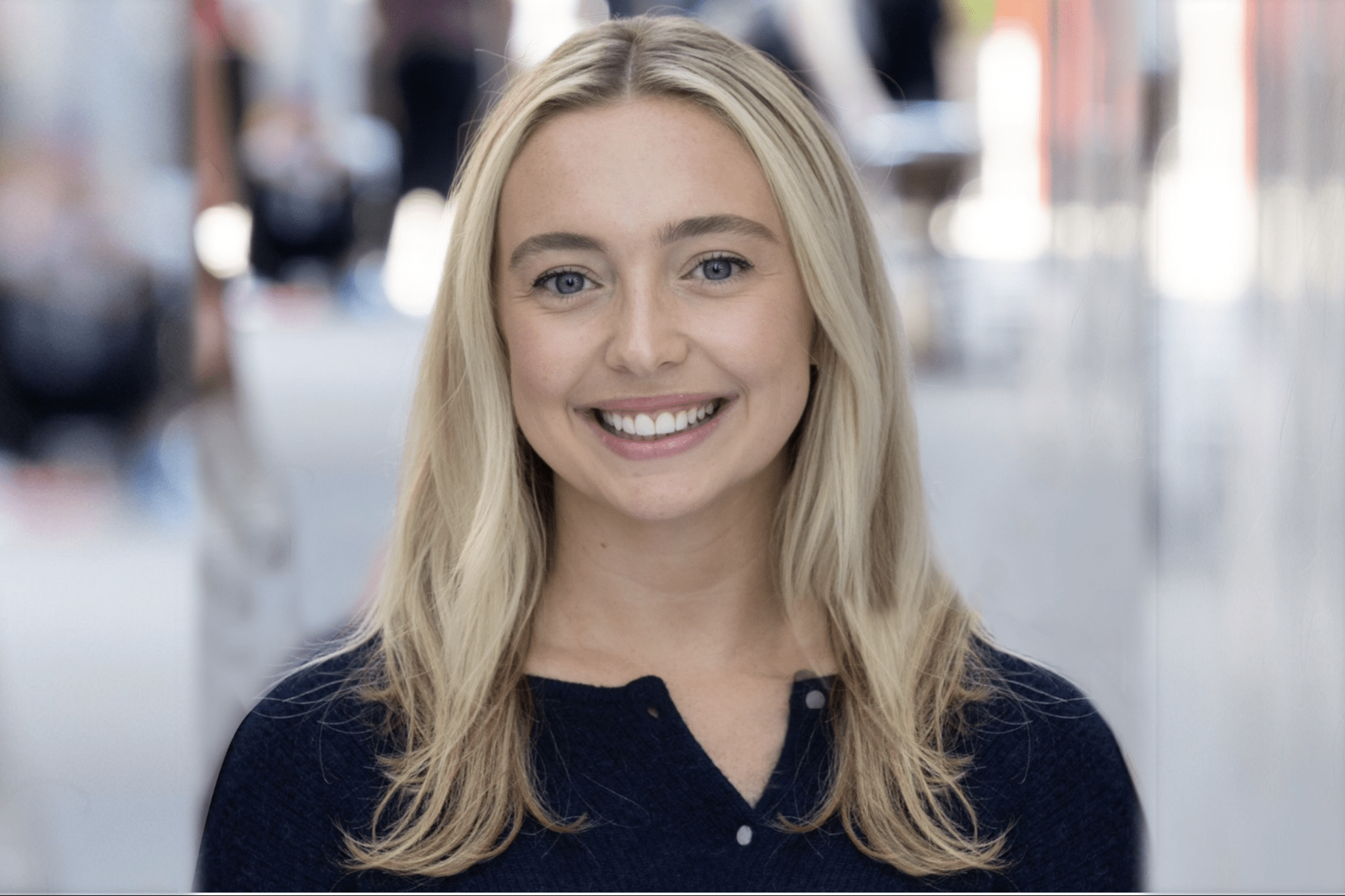
Nurse Manager
Education: BS, Quinnipiac University; Bachelor of Nursing, Fairfield University
Previous Experience:
- PICU Nurse at NYU
- Joined Extend in 2020
Q: What do you look for when you’re building a nursing team, and how does it reflect the kind of care you want patients to receive?
A: I look for nurses who are compassionate, dedicated, and able to really connect with patients. Advocacy is a huge part of the fertility nurse role. We are often the consistent support system throughout a very emotional and complex journey. Clinical knowledge matters, but what really stands out is someone who can make patients feel seen, heard, and supported.
We have built such a strong team of nurses here at Extend, and we take a lot of pride in that. Not only are they coworkers, but they are also friends. That trust and support within our team shows up when we care for our patients.
We’re Here When You’re Ready
Have questions for us about fertility? We’d love to hear from you! Reach out to schedule a consultation.