

Why Fertility Clinics Ban Perfume: The Science Behind Fragrance-Free Labs
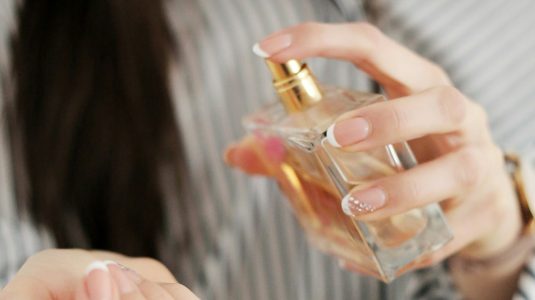
Before going in for an egg retrieval or embryo transfer, you’ll receive an important instruction: don’t wear perfume. Scented lotions, colognes, and essential oils are off-limits on procedure day.
We enforce this rule at Extend Fertility, and so does virtually every other fertility clinic in the country. As strict as it sounds, there’s a very good reason for it—airborne chemicals pose a direct threat to your developing embryos.
What’s Actually in That Spray
Fragrance releases volatile organic compounds (VOCs) into the air. These are carbon-based chemicals that evaporate at room temperature and travel quickly. A few sprays of perfume in a waiting room can drift into an adjoining lab within minutes.
Once airborne, VOCs settle into the air surrounding an embryology lab, then into the oil overlay and fluid keeping eggs and embryos alive outside of your body. Your eggs and embryos have no maternal tissue standing between them and that environment, so whatever is in the air becomes part of their immediate surroundings.
Researchers have spent decades mapping out which airborne chemicals pose the highest risk. A 2023 modeling study examined 23 documented lab VOCs and identified seven top concerns. Acrolein and formaldehyde carried the highest cytotoxic potential, followed closely by phenol, toluene, and acetaldehyde. Ethanol and isopropanol showed the greatest tendency to migrate from ambient air into the fluid environment.
While paint, adhesives, cleaning products, and off-gassing lab equipment all contribute to a building’s VOC footprint, personal fragrance is unique. It’s something a clinic can eliminate by asking patients and staff not to wear it on procedure day.
What the Research Shows
The clinical evidence linking air quality and IVF outcomes is strong, anchored by a rare natural experiment. Researchers tracked outcomes at a U.S. military fertility program before and after it moved into a facility engineered for cleaner air. The physicians, embryologists, protocols, and patient population remained identical; air quality was the only variable that changed.
In the new facility, embryo implantation rates jumped from 24.3% to 32.4%, while live birth rates rose from 31.8% to 39.3%. A separate study of over 1,000 IVF cycles, published in the Journal of Assisted Reproduction and Genetics, supported these findings. Upgrading lab air quality drove blastocyst formation rates up by roughly 18% and live birth rates by about 8%.
Industry-wide regulatory standards for lab air quality remain surprisingly sparse. A 2021 review noted that evidence-based best practices for embryology labs are still evolving, which means every clinic sets its own bar.
At Extend, we’ve set that bar high, making comprehensive VOC control a baseline requirement for our entire lab.
The Secondary Risk: What’s in the Fragrance Itself
Synthetic scents often rely on phthalates to last longer on the skin. Since phthalates are known endocrine disruptors, they can interfere with normal hormone signaling. Using fragrance-free personal care products is a good idea, even outside of treatment.
But during an active IVF cycle, when medication protocols rely on precise daily hormone levels, introducing a known disruptor adds unnecessary risk. That’s why Extend’s lab relies on specialized filtration designed to continuously pull VOCs from the air. We can’t control every external factor in a patient’s life, but we can protect the air inside our lab.
What to Avoid on Lab Day
Skip the perfume, cologne, and scented lotion on your retrieval and transfer days. It also helps to monitor other daily products—scented deodorants, hairsprays, and even heavily fragranced laundry detergents carry those same VOCs into the room.
The restriction only applies to the specific days your eggs or embryos are actively in the lab. The simplest routine is to go completely fragrance-free starting the morning of your procedure.
That said, there’s no need to panic over an accidental brush with someone else’s scent—a coworker in the elevator or a hug goodbye won’t ruin your cycle.
If you’re ever unsure about a product or think you might have accidentally used something scented, just mention it to your care team at check-in. We’d always rather answer a quick question than have you stress over it.
The same rules apply to your partner or support person. Anyone coming into the procedure room brings in scent on their clothes and skin, so they’ll need to go fragrance-free for the day as well. Clinics that take air quality seriously hold everyone in the space to that same standard.
Wear whatever fragrance you love on any other day of the year. But on procedure day, skipping your daily spritz of perfume gives your eggs and embryos the cleanest possible air to start in.
Have questions about lab protocols or what to expect on procedure day? Schedule a consultation, and we’ll walk you through it.