


Uterine fibroids affect millions of women, but the burden is heavier for some. Black women are nearly three times as likely as white women to develop fibroids. They often face larger fibroids, more severe symptoms, and an earlier onset than other women.
This gap leads to delayed diagnoses, symptoms that get brushed aside, and fewer treatment options. When it comes to uterine fibroids and fertility, finding clear answers can be frustratingly difficult.
What Are Uterine Fibroids?
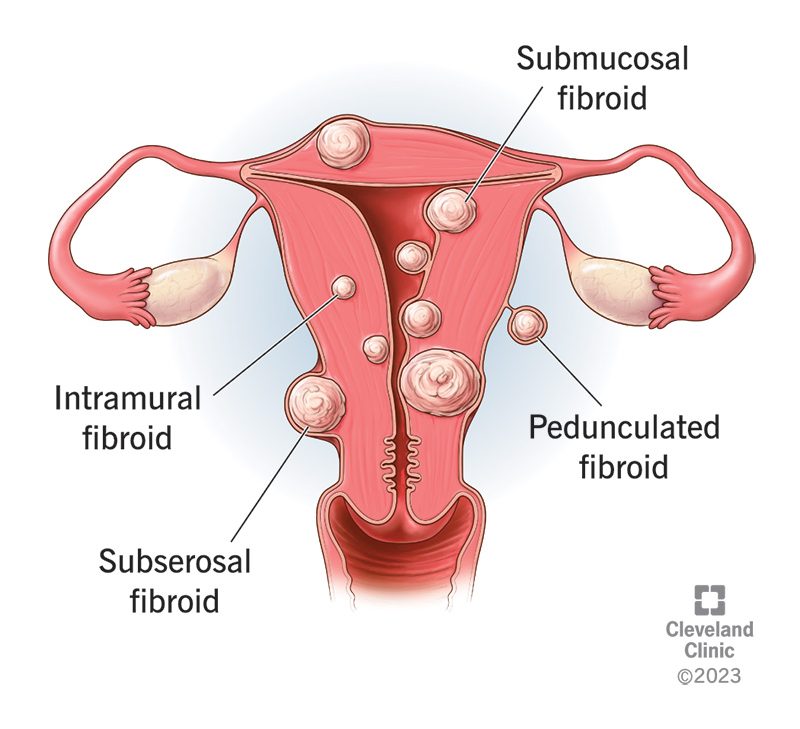
Uterine fibroids, also called leiomyomas or myomas, are noncancerous growths that form in or on the muscular wall of your uterus. They affect an estimated 70% of women of reproductive age and up to 80% of women by age 50, though most cases never produce symptoms.
Fibroids fall into three categories based on where they grow:
- Subserosal fibroids sit on the outer wall of your uterus and make up roughly 55% of cases.
- Intramural fibroids grow within the muscular layer and account for about 40%.
- Submucosal fibroids protrude into the uterine cavity itself and make up the remaining 5%.
Location, more than size, determines the symptoms you face and the risk to your fertility.
When symptoms do appear, you may experience heavy or prolonged menstrual bleeding, pelvic pressure or pain, frequent urination, and anemia from blood loss. You might live with fibroids for years before getting a diagnosis—in part because their symptoms get written off as a heavy period.
Anemia is especially easy to miss. Chronic blood loss can leave you exhausted and short of breath for years before anyone connects the fatigue back to your uterus.
Why Fibroids Hit Black and Brown Women Harder
A 2023 systematic review in Fertility and Sterility confirmed the racial disparity in fibroid prevalence holds across decades of research, no matter how individual studies measured it. The drivers span both biology and access to care.
Scientists are still mapping the underlying biology. An NIH-funded team identified higher expression of the von Willebrand factor gene in the uterine tissue of Black women—a genetic difference that may fuel the blood vessel growth fibroids need to thrive.
Other research points to vitamin D deficiency and chronic psychological stress, both disproportionately common among Black women in the U.S., as key contributing factors. No single cause explains the gap entirely, and how these factors interact remains an open question.
The same Fertility and Sterility review highlighted structural factors as core drivers, noting limited access to minimally invasive surgeons and specialists, alongside a persistent pattern of clinicians dismissing patient symptoms. As a result, Black women wait longer for a diagnosis, and clinicians are more likely to steer them toward hysterectomy over uterus-sparing treatments.
Those delays have consequences that extend far beyond physical pain. Many Black women are forced into life-altering medical decisions years before they’ve had a chance to build a family on their own timeline.
Can Fibroids Affect Fertility?
Most fibroids don’t interfere with your ability to get pregnant. They play a role in only 5 to 10% of infertility cases, and most women conceive without any trouble. But location determines whether your fibroid is a nonissue or a real obstacle.
Submucosal fibroids grow into the uterine cavity and pose the biggest challenge. By altering the space an embryo needs to attach, they can lower your chances of pregnancy and raise your risk of miscarriage, even during IVF treatment.
Intramural fibroids sit within the uterine muscle wall, and their effect on fertility depends on size and location. Smaller ones deep in the muscle often make no difference. Larger fibroids—typically over four centimeters—or those close enough to distort the uterine cavity can still lower your chances of a successful pregnancy.
Subserosal fibroids rest on the outside of the uterus and seldom affect your ability to conceive.
Fibroids interfere with your fertility in different ways. One might reshape the uterine cavity, cut off healthy blood flow to the lining, or trigger inflammation that makes implantation difficult. If a fibroid sits right near the cervix, it can even physically block sperm.
Every case is different, and a fibroid diagnosis alone can’t predict your path to pregnancy. Fibroids on an ultrasound aren’t always the reason you’re having trouble conceiving—many patients carry fibroids that are unrelated to their fertility challenges. Before you draw any conclusions, get a full medical evaluation.
Hysterectomy Isn’t the Only Option
A hysterectomy cures fibroids permanently, but it also rules out future pregnancy. If you’re still planning to grow your family, this is a dramatic step.
Fortunately, there are several uterus-sparing treatments, and the right one depends on your fibroid’s size, count, and location.
- Hysteroscopic myomectomy: Removes submucosal fibroids through the cervix with no external cuts. It offers the clearest boost to pregnancy rates when your fibroid is altering the shape of the uterine cavity.
- Laparoscopic or robotic myomectomy: Removes fibroids through small abdominal incisions, protecting the uterus while tackling larger or deeper growths.
- Uterine Artery Embolization (UAE): Starves fibroids of their blood supply so they shrink. Fertility outcomes after UAE are less predictable than after myomectomy, which is why doctors are generally cautious about recommending it to patients still planning to conceive. It can also reduce blood flow to the ovaries and uterus.
- Medications (like GnRH agonists): Temporarily shrink fibroids or curb heavy bleeding. Medications aren’t a permanent fix, but they can bridge symptom relief or prepare your body for surgery.
- MRI-guided focused ultrasound: Uses targeted heat to destroy fibroid tissue without a single incision. It’s a promising noninvasive option, though research on long-term fertility outcomes is still developing.
A hysterectomy is rarely the only treatment available. Yet, clinicians recommend hysterectomies to Black women at higher rates than white women, even when less invasive, uterus-sparing options would work just as well.
That disparity is why getting a second opinion is so crucial.
IVF and Egg Freezing with Fibroids
Fibroids rarely have to delay fertility treatment. You can usually freeze your eggs or start IVF right away, provided the fibroids aren’t invading the uterine cavity.
It’s natural to want to get surgery out of the way first. But prioritizing a myomectomy often wastes precious time. Egg quality declines with age, so your best option is to freeze your eggs or embryos first, schedule the surgery to prep the uterus, and move on to embryo transfer once you’ve healed.
What to Do If You Have Fibroids and Want to Get Pregnant

A fibroid diagnosis isn’t a dead end—it’s just a sign you need more information. An ultrasound or MRI can pinpoint the size, number, and location of your fibroids, allowing a fertility specialist to see if they’ll affect your ability to get pregnant.
If a scan shows a fibroid growing into or pushing against the uterine cavity, a quick hysteroscopic myomectomy can often clear it out and boost your chances. If fibroids are outside the uterine cavity, you usually don’t need to do anything before trying to conceive.
Black and brown women face disproportionate delays in care, so you have every right to press for specifics. Don’t hesitate to ask your doctor directly: Where are the fibroids? How big are they? Are they touching the cavity wall?
You don’t have to live with heavy bleeding and severe pain. If you’ve spent years being told to wait and see without ever getting proper imaging, please know that you don’t have to settle for that standard of care.
Seeking a second opinion—ideally from a reproductive endocrinologist who evaluates fibroids through a fertility lens—can give you the clarity you’ve been looking for.
At Extend, our reproductive endocrinologists evaluate fibroids as part of a fertility workup, mapping their size and location alongside your plans to conceive. Your evaluation is based on imaging and clinical evidence, not preconceived notions about your body or treatment options. We listen to your goals and investigate your symptoms fully so you can make decisions about your fertility on your terms.
Reach out and schedule a consultation with one of our clinicians to get started.