

What 8 Years of Egg Freezing Data Reveals About Your Chances of Success
The average age of women freezing their eggs dropped from 36.9 to 35.0 between 2016 and 2023. This shift reflects what the data has said for years: age drives outcomes more than any other factor in fertility preservation.
Most clinics can’t tell you what happens when you return to use your frozen eggs. That data didn’t exist – until now.
A new study published in Fertility and Sterility tracked outcomes for more than 3,000 patients at Extend Fertility who froze their eggs between 2016 and 2023, and 271 patients who came back to use them.
The study – a collaboration between Extend Fertility and Rutgers New Jersey Medical School – was authored by a multi-disciplinary team including Joshua U. Klein, MD; Nataki C. Douglas, MD, PhD; Baruch Abittan, MD; and members of Extend’s clinical staff and lab team.
Here’s what the numbers show about timing, egg quantity, and your chances of having a baby.
Success Rates by Number of Eggs Frozen
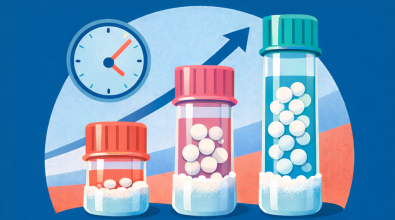
Among women who froze eggs at age 40 or younger, 70.3% had an ongoing pregnancy/live birth at the time the data was collected. The number of eggs you freeze changes those odds significantly.
- Fewer than 10 eggs: 58.3% success rate
- Between 10 and 14 eggs: 66.7%
- Freezing 15 to 19 eggs: 67.9%
- 20 or more eggs: 81.8%
More eggs create more opportunities. Each one that survives the warming process, fertilizes, and develops into a genetically healthy embryo increases your probability of pregnancy.
Women who froze 20+ eggs achieved success at rates approaching 82%, while those who froze fewer than 10 saw success rates drop below 60%.
Key Takeaway: If you plan to invest in egg freezing, freeze enough eggs to make it count.
Age is a Major Success Factor
If you freeze before 35, roughly 20 to 30% of your warmed eggs will become euploid embryos. Freeze between 38 and 42, and that rate drops to between 8 and 9%. By age 43, almost none of the frozen eggs in this study resulted in healthy embryos.
Here are the outcomes by age group:
- Women under 35 who froze at last 20 eggs: 88.9% chance of live birth
- Women between 35 and 37: 80% success rate
- Ages 38 to 40: 72.7% success rate
After age 40, there were fewer women pursuing egg freezing. The data is limited, but what we see is that the numbers shift dramatically. Survival rates after egg warming dropped to 79.8% for women 43 and older, compared to 93.6% for women aged 35 to 37.
Fertilization rates followed the same trajectory: 78.6% for the 35 to 37 age group versus 69.0% for women 43 and older.
Each year past 35 reduces a portion of your reproductive potential. Survival rates decline, fertilization rates drop, and fewer embryos test as genetically normal. Women who froze eggs at age 34 and used them at 40 worked with 34-year-old eggs. Women who waited until 40 to freeze worked with 40-year-old eggs. That difference shows up in every metric, from thaw survival to live birth rates.
Out of every 100 eggs warmed in this study, about 91 survived the warming process. Of those eggs, about 77 fertilized successfully. Approximately half developed into blastocyst stage embryos by day five or six. For women under 35, roughly one in four eggs becomes a genetically healthy embryo after PGT-A screening.
When you run those numbers at age 38, you get fewer normal embryos from the same starting cohort of eggs. At age 43, you may get none.
The 90.7% survival rate achieved exceeds the 78% to 81% range reported in earlier research. Vitrification techniques have improved, lab protocols have been refined, and centers specializing in egg freezing have developed expertise that shows up in the outcomes.
Key Takeaway: Egg freezing technology works better now than it did five years ago. But it still can’t reverse the biological reality of aging eggs.
Egg Freezing Gives You Options
Within four years of freezing their eggs, 10.4% of patients returned to use them. Most women freeze eggs as insurance against an uncertain future and hope to conceive naturally. When that happens, egg freezing serves its purpose. For women who do return, the average wait time was 3.4 years, with most using their eggs around age 40.
The four-year follow-up period in this study captures early returners but misses women who froze eggs in their early 30s with plans to use them a decade later. Return rates will likely increase as more women reach the point when they’re ready to have children and find they need help.
Key Takeaway: This relatively low utilization rate shouldn’t discourage you from freezing eggs if the timing is right. Many women freeze eggs proactively and end up not needing them.
What the Numbers Mean for Your Decision
Before Age 35
Survival rates exceed 92%, fertilization rates reach 77%, and roughly one in four eggs becomes a genetically healthy embryo. Banking 15 to 20 eggs at this age gives you strong odds of success when you return to use them, resulting in 80.6% ongoing pregnancy/livebirth rate.
Between 35 and 37
Outcomes remain excellent. The 74.6% ongoing pregnancy/live birth rate shows that egg freezing still works effectively in your mid-30s. Survival rates stay about 93%, and the conversion from egg to healthy embryo remains strong enough to justify the investment for most women.
Ages 38 to 40
Expect more variable results. The 53.9% success rate means egg freezing can work, but you’ll need more eggs to achieve the same probability of success as someone younger. The conversion rate from egg to healthy embryo drops significantly. Banking 20 or more eggs becomes more important at this age.
After Age 40
The data shows sharp declines across every measure. Survival rates fall below 80%, and very few eggs result in genetically normal embryos. Women freezing eggs after 43 should understand the limitations and consider whether other paths to parenthood might serve them better.
Your Next Step
Egg freezing is a personal decision that depends on your age, your goals, and your reproductive timeline. We believe women should take charge of their fertility future instead of letting time dictate the path. That means having access to accurate data and expert medical guidance as you decide when and how to build your family.
Our double board-certified reproductive endocrinologists can help you determine whether egg freezing makes sense for you right now, how many eggs you should aim to freeze, and what outcomes you can expect based on your individual fertility assessment.
Schedule a consultation with one of our providers to discuss your fertility preservation options and create a plan based on your timeline.
Read the full study:
Source:
Klein JU, et al., Douglas NC. “Freezing first: insights from 8 years of planned oocyte cryopreservarion at an ‘egg freezing clinic.'” Fertility and Sterility, 2025.