


GLP-1 medications like Ozempic, Wegovy, and Mounjaro have changed the conversation around metabolic health. And the implications for fertility are significant, whether you’re freezing your eggs, considering IVF, or thinking years ahead about what your body will need.
Here’s what the current research shows and what to factor in before you move forward with these weight loss drugs.
What GLP-1s Actually Do
GLP-1 (glucagon-like peptide-1) receptor agonists mimic a naturally occurring hormone involved in blood sugar regulation, digestion, and appetite control. Developed to treat type 2 diabetes, GLP-1s work by stimulating insulin secretion, suppressing glucagon, and slowing gastric emptying.
While these medications—including semaglutide (Ozempic and Wegovy), tirzepatide (Mounjaro and Zepbound), and liraglutide (Saxenda and Victoza)—differ in their specific FDA approvals and dosing schedules, how they work in the body is very similar.
The most powerful mechanism for weight loss is delayed gastric emptying. By slowing the rate at which food leaves the stomach, these GLP-1 receptor agonists induce faster, more prolonged satiety. This leads to a reduction in caloric intake, which is the primary reason they’re so effective.
The Connection Between GLP-1s and Fertility
The link between metabolic and reproductive health is profound—a connection that’s now being highlighted by the rise of GLP-1 treatments.
For women with polycystic ovary syndrome (PCOS), the evidence is building. PCOS is the most common cause of ovulatory infertility, affecting 6 to 20% of women of reproductive age. Research shows that GLP-1 receptor agonists may support more regular cycles, improved ovulation, and better hormonal balance—all of which can improve fertility outcomes.
A meta-analysis of 11 randomized controlled trials found that GLP-1 receptor agonist use led to meaningful improvements in natural pregnancy rates and menstrual regularity among women with PCOS. In one study, 92% of women with PCOS achieved menstrual cycle recovery and showed significant improvement in hormonal markers when treated with a combination of liraglutide and metformin.
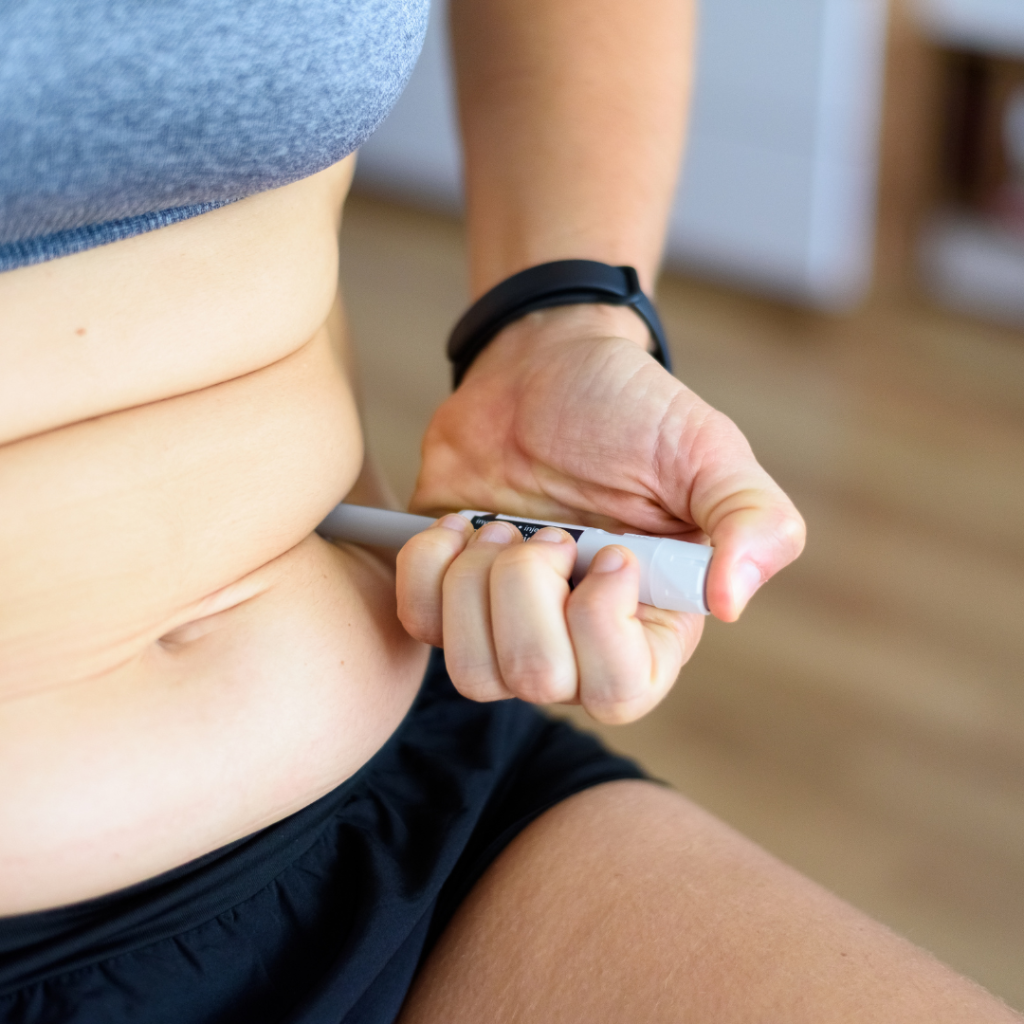
For women with obesity, weight can impact everything from hormone levels to how the body responds to fertility stimulation medications. That’s why many patients and their doctors are turning to GLP-1s to optimize metabolic health before starting treatment. A reduction of just 5% of initial body weight can significantly improve both ovulation and pregnancy rates.
Metabolic health affects fertility beyond PCOS and body weight. Research indicates that even in lean women without PCOS, insulin resistance can reduce egg maturity and embryo quality. This is a relevant concern for all women, not just those who fit a particular profile.
GLP-1s are not fertility drugs, nor are they FDA-approved for PCOS treatment or fertility enhancement. Their reproductive benefits stem from metabolic improvement—better insulin sensitivity, lower androgen levels, and restored ovulation—rather than directly impacting the ovaries. While the research is promising, larger, longer-term trials are still needed.
If You’re Freezing Your Eggs: What You Need to Know
If you’re currently on a GLP-1 and considering egg freezing, you’ll need to pause the medication before your retrieval procedure. There’s no current evidence linking GLP-1 use to negative outcomes on stimulation or egg quality—the main concern is anesthesia safety.
GLP-1s slow gastric emptying. During an egg retrieval, you’re under sedation, and delayed stomach emptying raises the risk of aspiration, a serious anesthesia complication. To reduce that risk, most providers recommend discontinuing GLP-1 receptor agonists for approximately two dosing intervals (roughly 15 days) before any procedure involving sedation. Guidance varies by clinic, medication, and individual patient history.
A few things to plan for:
- Pausing for egg freezing is different from stopping for pregnancy. After a retrieval, you may be able to resume the medication. If you’re moving toward embryo transfer or trying to conceive, you should discontinue GLP-1s at least 8 weeks before conception.
- GLP-1s are not recommended during pregnancy or breastfeeding. If you get pregnant while taking one, stop immediately and notify your doctor.
- Unplanned pregnancy while on these medications is possible. GLP-1s restore ovulation in women who were previously not ovulating regularly, so contraception planning is important.
If You’re Moving Forward with IVF
IVF timing considerations are similar, but the stakes around washout periods (the time needed to safely clear the medication from your system) are higher, especially if you’re planning a fresh transfer or trying to conceive. Most providers recommend discontinuing GLP-1s at least 8 weeks before conception, though it depends on the medication you’re taking.
Coordinate your timeline with your fertility specialist and the physician managing your GLP-1 prescription.
Are You a Good Candidate for GLP-1s?
GLP-1 receptor agonists aren’t right for every patient. The strongest candidates are generally women with a BMI of 30 or above and those with PCOS, insulin resistance, or type 2 diabetes.
The 2023 International Evidence-based Guideline for PCOS states that anti-obesity medications, including GLP-1s, may be considered for weight management in adult women with PCOS and a BMI of 30 or higher. But they’re intended to supplement, not replace, active lifestyle intervention.
Before starting a GLP-1, ask yourself:
- What’s my fertility timeline? If egg freezing or IVF is on the horizon in the next few months, starting and stopping on a short runway requires careful coordination.
- Are my metabolic and hormonal markers being monitored? Clinical oversight is key, particularly if you’re managing diabetes and will need an alternative medication plan when you pause.
- Who’s coordinating my care? Your fertility specialist and prescribing physician should work together.
Know Your Metabolic Health Before You Begin a GLP-1
Most fertility conversations begin with a problem. But they should start before you’re struggling to conceive. Metabolic health shapes the environment your eggs develop in, the quality of what you freeze, and the odds of a successful pregnancy in the future.
GLP-1s are just one piece of that puzzle. You should also ask what it takes to set your body up for the best possible outcomes—and these are the types of conversations we have with patients every day at our clinic.
Join the Wellness Conversation

On Wednesday, March 18, from 6-8 p.m., Extend Fertility is hosting a free wellness panel: GLP-1s, Egg Freezing, and Your Hormonal Future. We’ve invited three experts in metabolic and reproductive health:
- Joshua Klein, MD, FACOG – Chief Clinical Officer, Extend Fertility
- Caroline Messer, MD – Endocrinologist and Metabolic Health Expert, Founder of Well by Messer
- Bracha Banayan, RN, FNP – Nurse Practitioner, Founder of IVDRIPS and Hello Dose
Register for the event in NYC. You’ll have an opportunity to ask questions and hear directly from experts in the field.
Ready to discuss your fertility care options? Reach out to book an initial consult with an Extend Fertility provider.